
Leading Composite Front Door Installer In Bournemouth
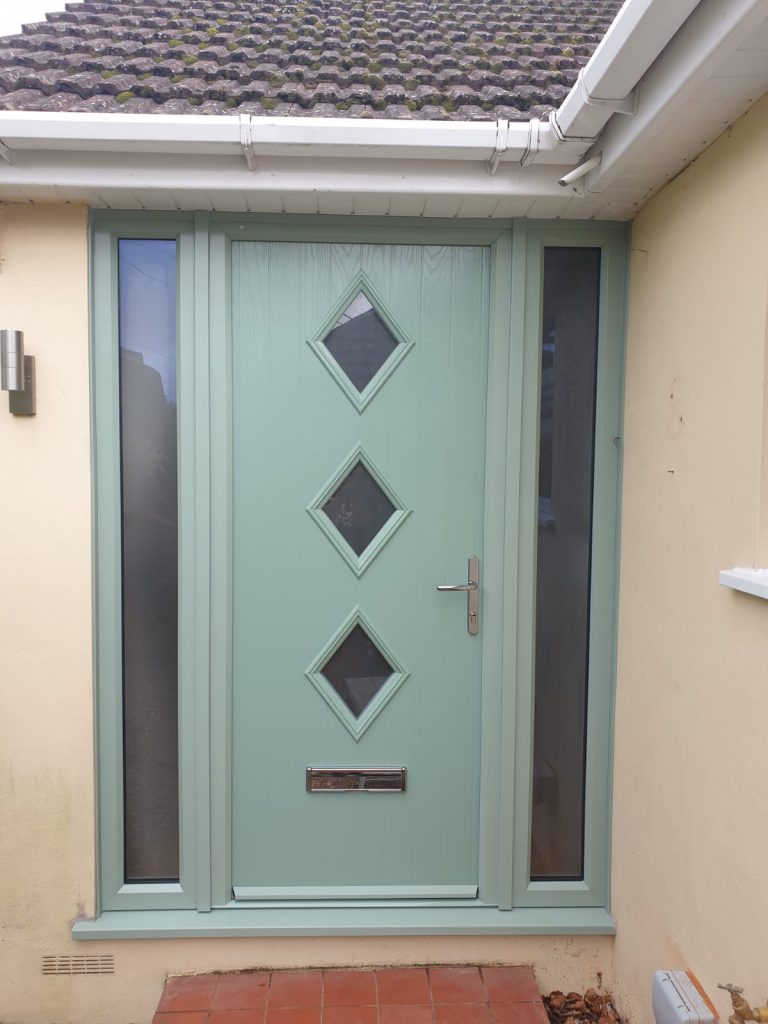
Refresh Your Home’s Facade With A New External Composite Door
For homeowners across Bournemouth and Dorset, GRP composite doors are an ideal replacement for old external doors. High-quality composite doors like the ones supplied and fitted by RILU offer enhanced thermal efficiency and perfectly complement your home’s style. They require minimal maintenance and create a waterproof seal, which, when combined with the insulated core, offers added security and energy efficiency.
Our composite front doors are made from premium materials and offer a range of benefits for many homes, and you can also use them for back doors or choose other door styles, such as UPVC doors. With the right external doors and stunning new windows, you can make your home more energy efficient and improve its value. The solid core made from timber is similar to the traditional style of timber door, but you get a huge range of aesthetic options and greater longevity.
To get all these benefits and more from your new composite door, you need to make sure you get it installed by a professional window and door fitter. RILU has extensive experience fitting new composite doors to properties throughout Bournemouth, Dorset and Guernsey, so we can ensure that you get the best thermal performance, security and soundproofing. Call 01202 237839 to start the design process and get on the way towards a stunning composite door.
Download Our Composite Doors Brochure
Customise Your Composite Front Door With RILU
If you’re considering composite doors for your Dorset home, you need to make sure you choose the right provider. RILU works with you through every step of the door design and installation process, ensuring that you get the outcome you’ve always wanted.
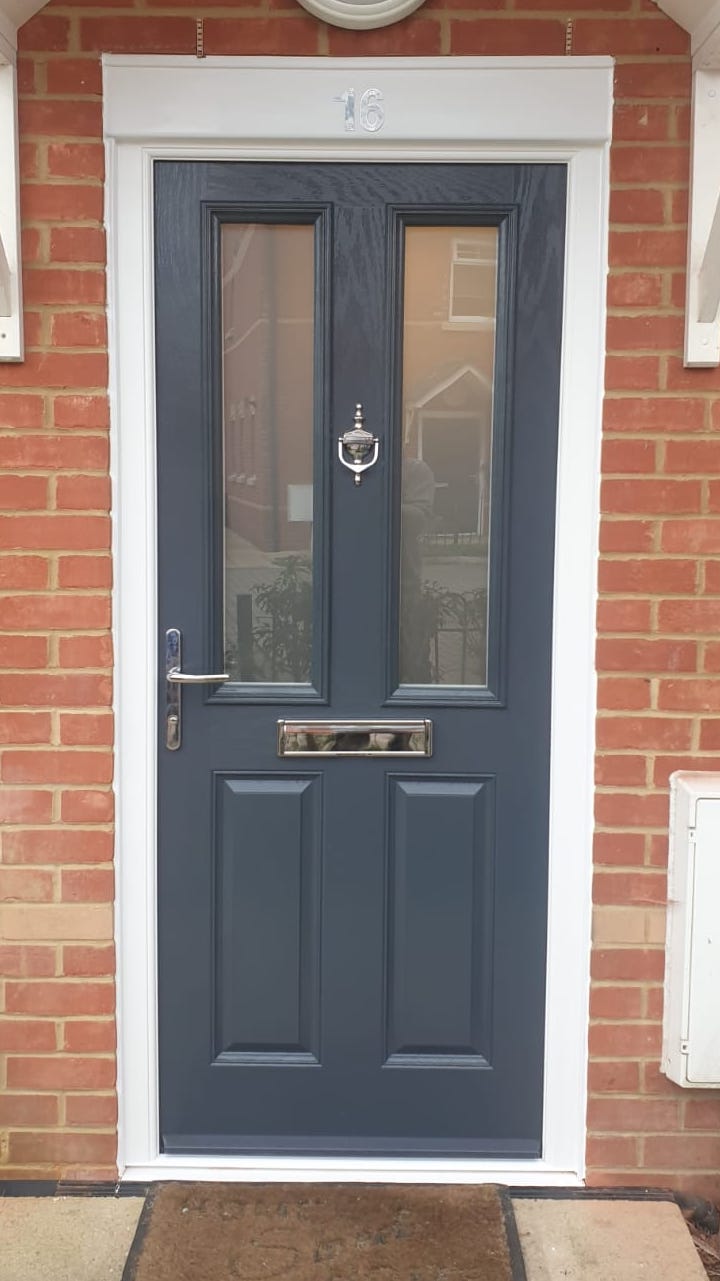
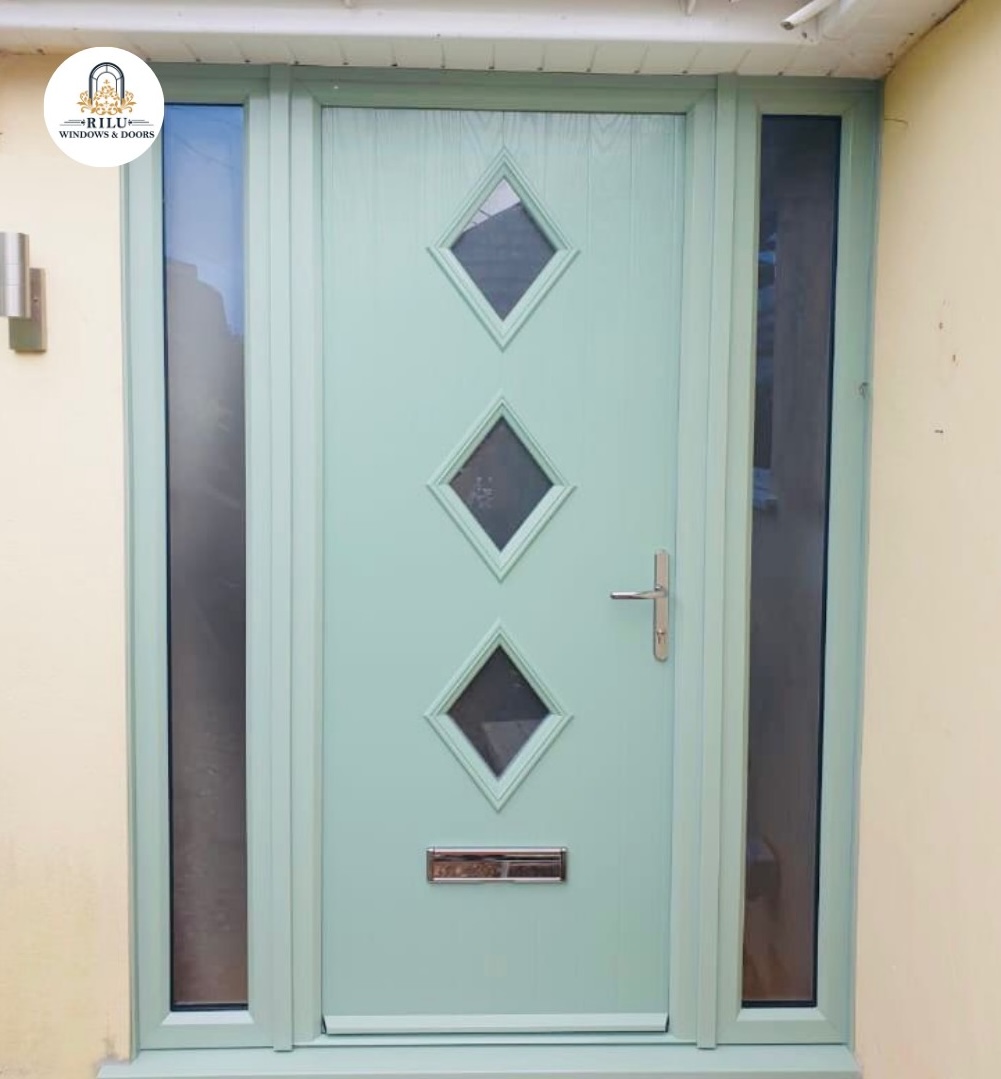
Our team of expert door fitters have installed composite doors on a range of properties throughout Dorset. Whether you have a thatched cottage and want a traditional composite door that looks like wood, or you live in a stunning coastal apartment and want a contemporary composite door, RILU is here to help. All our composite doors are built to last and can be customised to suit your style, with a wide range of internal and external colour options, door furniture solutions and glass accents.
From unique colours to high-quality hardware, and even double glazed panels, we can customise your composite doors to create the perfect look for any style of property. Contact us today to design your dream door and give your home the kerb appeal you’ve always wanted.
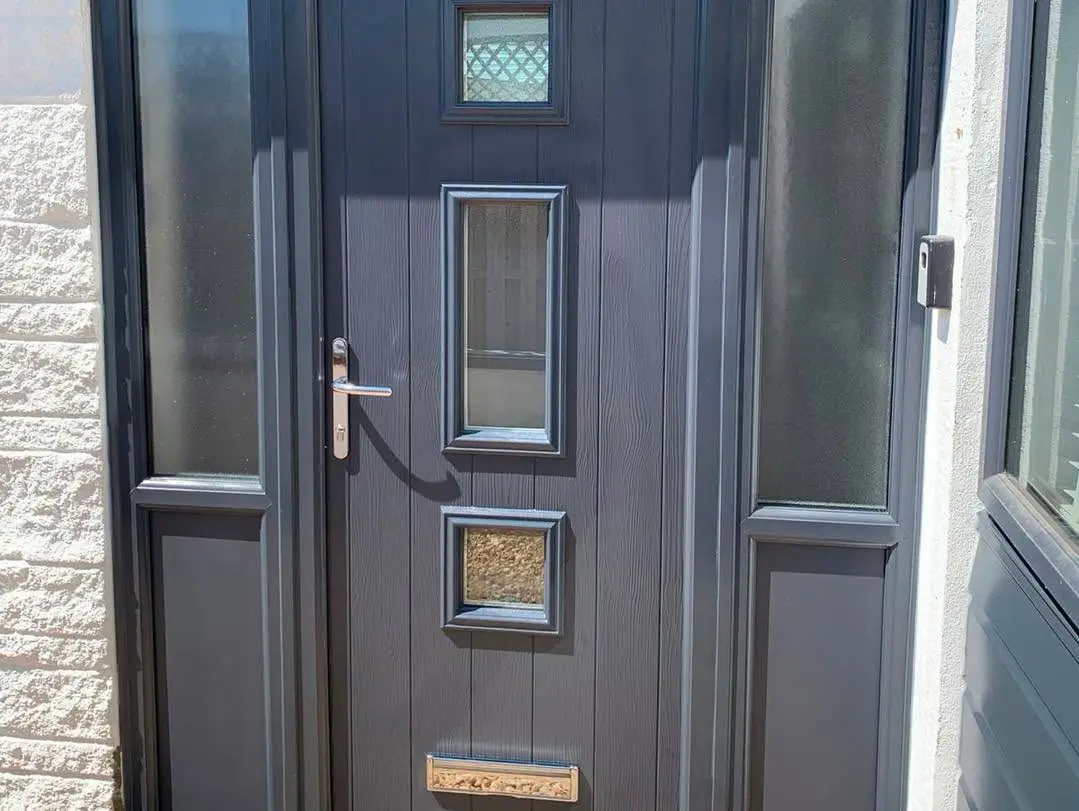
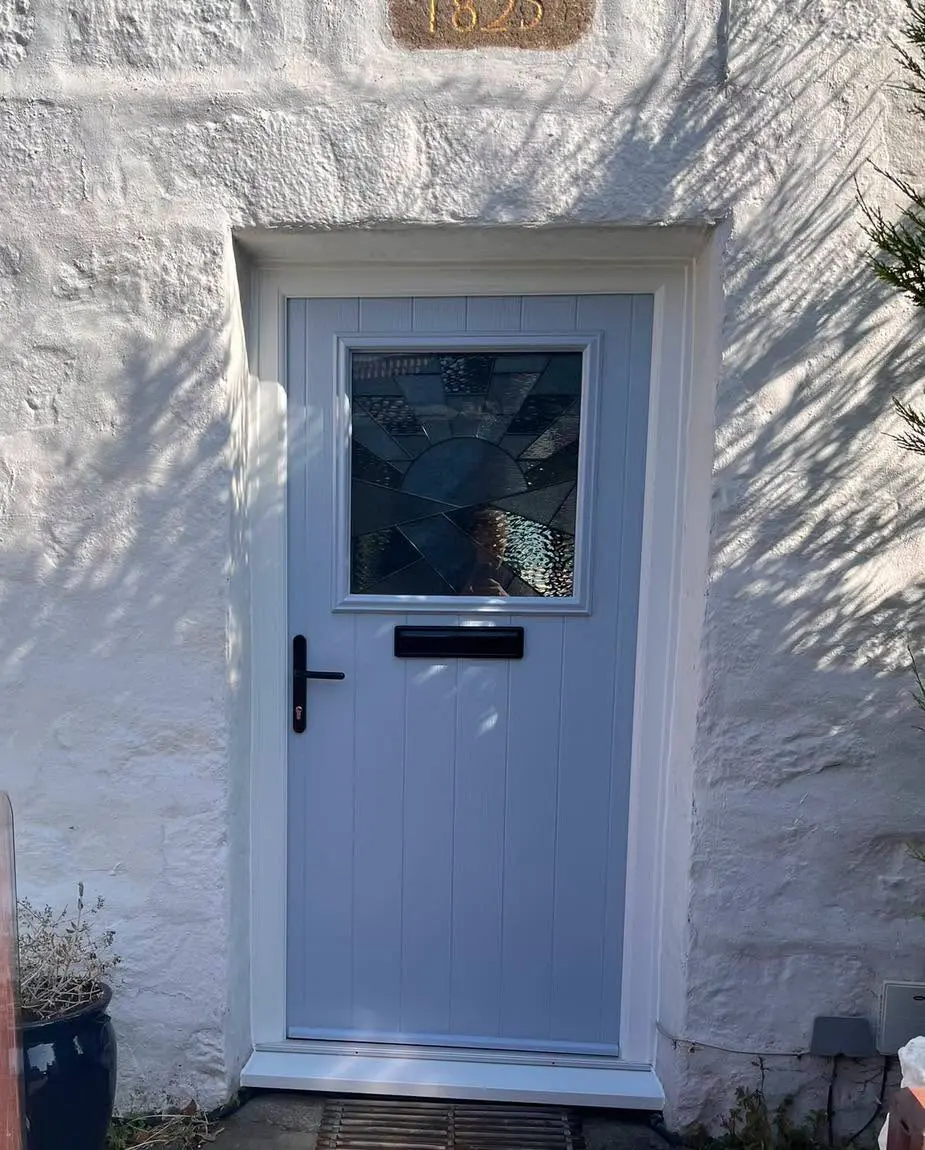
Why We Recommend Composite Doors

Enhanced Security
Long Lasting
Fully Customisable
Energy Efficiency
Highly Durable
Low Maintenance
Superior Composite Doors For Your Home
Solid Timber Core For Security & Heat Retention
Beautiful Glass Features Available
Excellent Support Throughout The Process
Over 250 Colour Combinations Inside And Out
Tailored Composite Doors To Suit Your Bournemouth Home
High Standards of Precision And Craftsmanship
Composite Doors Bournemouth FAQs
What Is The Difference Between Composite And UPVC Doors?
The difference between composite doors and UPVC doors is the material they’re made from. UPVC doors are made from Unplasticized Polyvinyl Chloride, a hard plastic that is lightweight and durable. Composite doors have a solid timber core that is coated in UPVC, Glass Reinforced Plastic (GRP, also known as fibreglass), or polyurethane foam. This makes composite doors stronger and more secure than UPVC doors or traditional timber doors, and reduces the risk of warping.
What Type Of Composite Door Is Best?
There are several different types of composite door, with each one using a different material for the core and the outer coating. RILU offers glass reinforced plastic (GRP) composite doors with a solid timber core for the ultimate longevity, security, thermal efficiency and soundproofing. These are modern composite doors designed to offer great weather resistence and last for many decades, and can be fully customised to your Bournemouth or Dorset home. There are also foam-filled polyurethane cores and UPVC outer coatings available.
Are Composite Doors Worth The Extra Money?
While composite door prices are usually slightly higher than those of UPVC doors, they offer enhanced security features and are more thermally efficient, meaning that you will save money in the long run from your lower energy bills. This option is low maintenance and can last for up to 30 years, and can be a great value option. Many homeowners opt for a composite front door and consider UPVC back doors to ensure security and great value.
How Do You Measure For A Composite Door?
To measure for an external composite door, you’ll need to take 3 measurements from the top, bottom and middle, for both the width and the height of the door. It’s important that you measure the opening to the brickwork, rather than your old door frame, as your door installer will fit a new frame. When you hire RILU to install composite doors on your property, we will carry out all the measurements for you, so you know you’ll get the right door the first time round.
Will a new composite door improve my home's energy efficiency?
Yes. Composite doors are designed with insulated cores and high-performance weather seals that help reduce heat loss and minimise draughts. This can make your home feel warmer and more comfortable throughout the year while improving energy efficiency. Alongside their thermal performance, composite doors are also highly durable and require very little maintenance, making them a practical long-term investment for homeowners.